
Why Fire Extinguishers Matter in Modern Safety: Lessons From Hong Kong’s Bamboo Scaffolding Fire
Fire safety has always been a dynamic discipline, constantly reshaped by technology, culture, materials, and the environments in which people live and work. Among all the tools and systems designed to protect human life, fire extinguishers remain one of the simplest, most accessible, and most effective first-line defences. They are the quiet heroes on walls, in corridors, on construction sites, in factories, offices, high-rises, and homes.
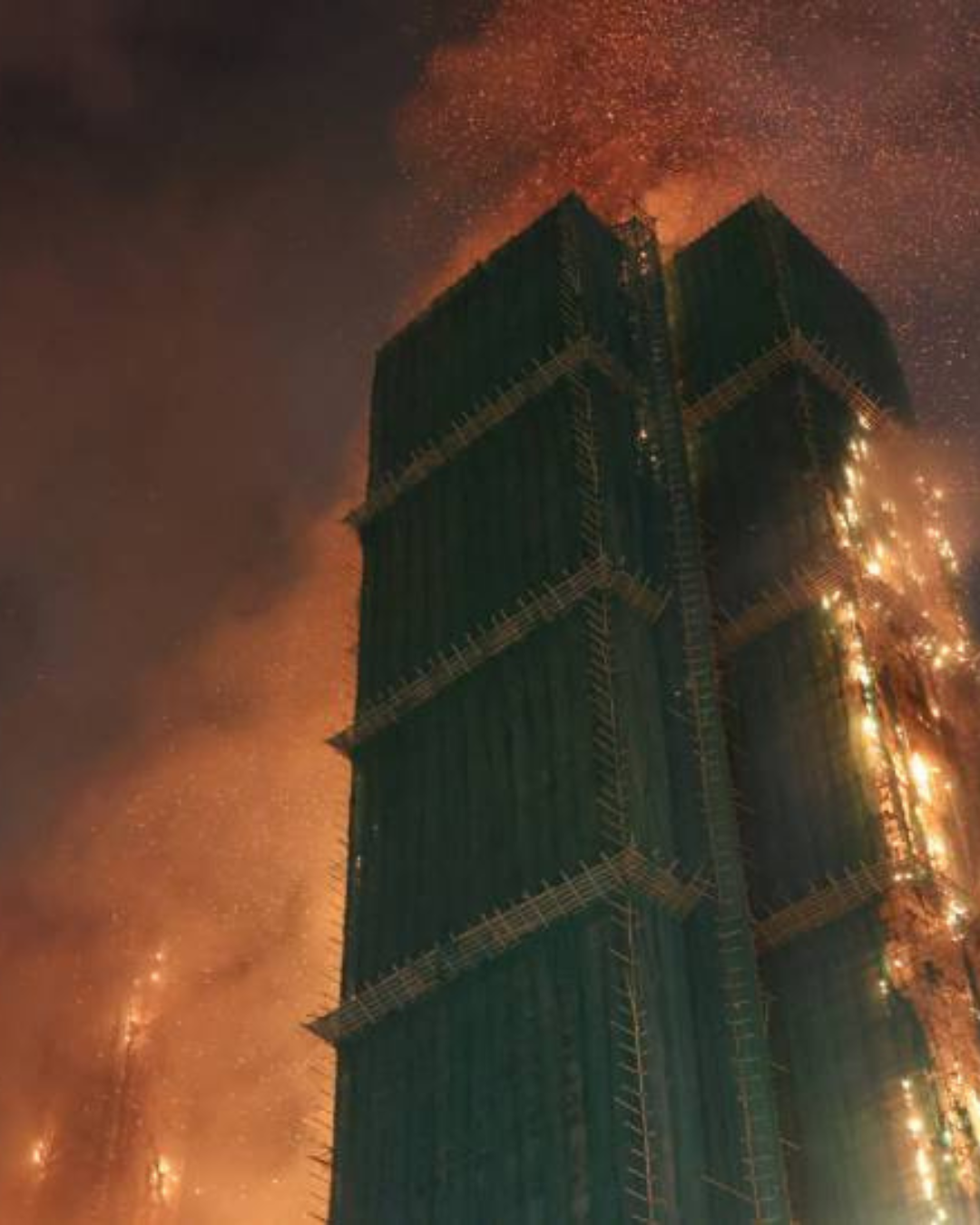
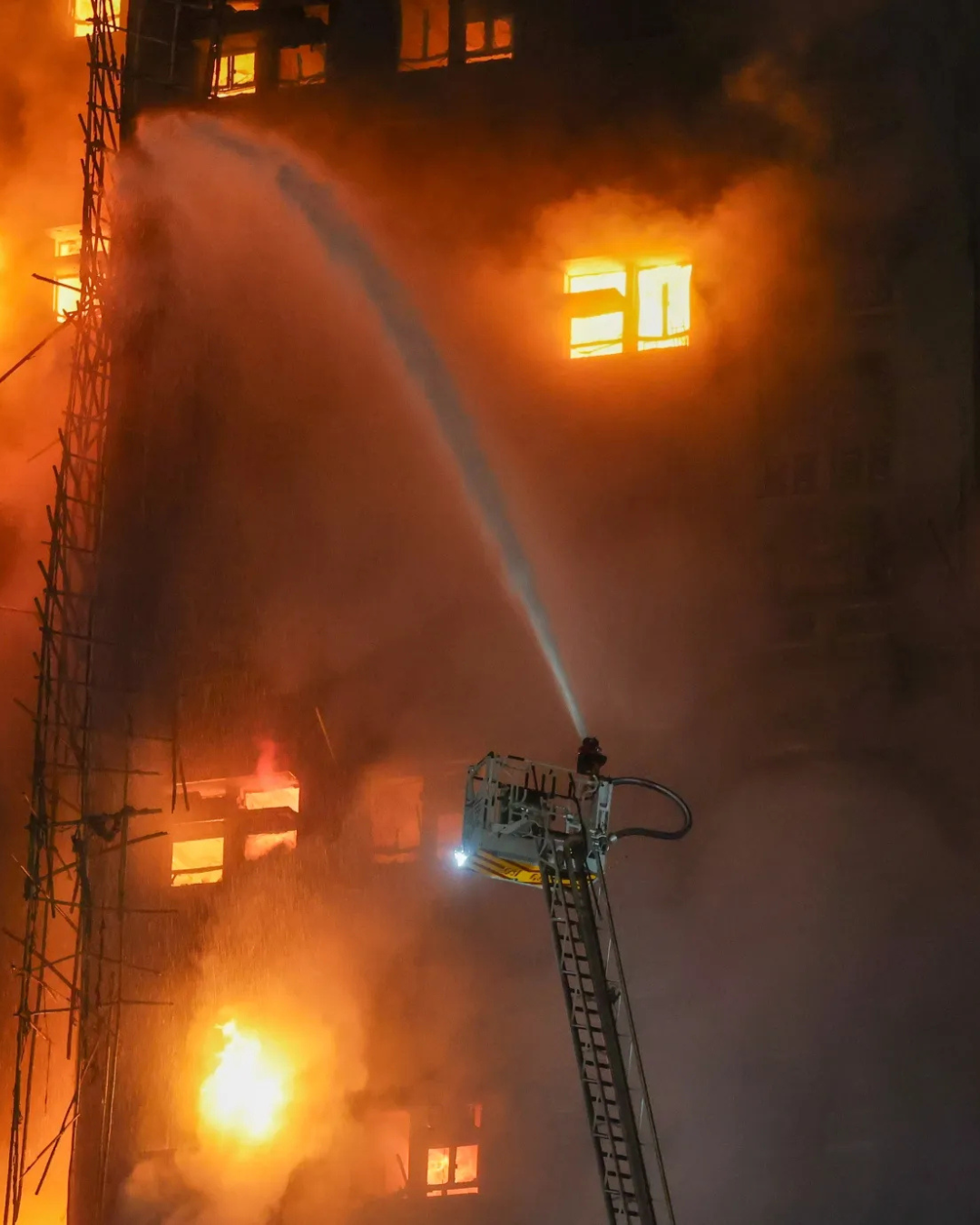
In light of the recent and widely discussed Wang Fuk Court fire in Hong Kong, the need for proper fire safety awareness—including why fire extinguishers are absolutely essential—has once again taken centre stage. The incident unfolded across residential towers undergoing significant renovation, wrapped in bamboo scaffolding, protective netting, and construction materials. Within hours, the blaze evolved from a manageable external fire to a dangerous inferno that raged for more than 40 hours.
This article unpacks what happened, why it mattered, and how professionals and everyday individuals alike can better prepare for fire-related emergencies. With insights from engineers, safety experts, and industry voices, and with support from companies like Invictus Fire, we examine not only the Hong Kong incident but also the broader relevance of fire extinguishers in preventing similar catastrophes.
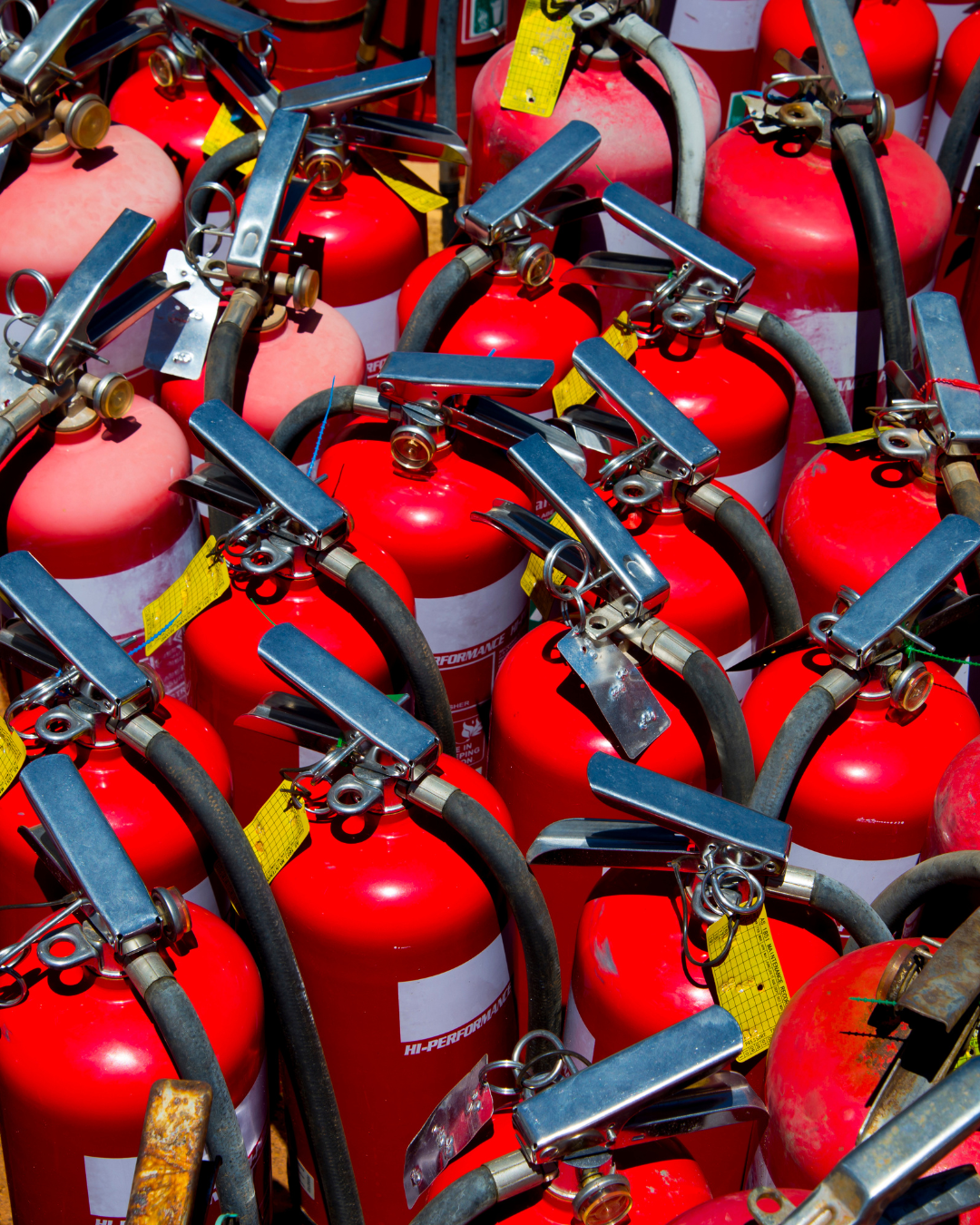
Why Fire Extinguishers Are Essential
Fire Starts Faster Than Most People Realize
A core reason fire extinguishers remain indispensable is simple: fire spreads faster than most people expect. In the Hong Kong case, preliminary investigations suggested the blaze ignited on protective netting near the lower floors and then accelerated upwards due to highly flammable foam boards. These boards shattered windows, allowing flame, oxygen and heat to rush inward and intensify the combustion.
A fire extinguisher placed nearby—even in an outdoor renovation area—could potentially stop a small, exterior flame from escalating long before emergency services arrive. Flame-retardant netting and foam boards may reduce risk, but no passive measure replaces an active firefighting tool in the hands of trained workers or residents.
Fire Extinguishers Prevent Fires From Becoming Catastrophic
Most fires grow exponentially within minutes. That’s why all modern fire codes, safety standards, and inspection laws require extinguishers as part of minimum compliance. A standard extinguisher may:
- Stop initial ignition from spreading
- Prevent structural elements from igniting
- Keep escape routes clear
- Protect workers on scaffolding
- Give residents valuable time before evacuation becomes hazardous
Companies like Invictus Fire not only supply extinguishers but train individuals and staff to use them properly, making their impact even more effective.
The Hong Kong Bamboo Scaffolding Fire: What Happened?
A Historic Craft Meets Modern Risk
Hong Kong remains one of the last global cities to rely heavily on bamboo scaffolding—a centuries-old craft that is still admired for its flexibility, sustainability, and low environmental impact. Nearly 80% of the city’s scaffolding structures are made from bamboo, supported by a local workforce of approximately 3,000 practitioners.
But when the Wang Fuk Court renovation project caught fire, the bamboo scaffolding became part of the narrative. Government officials noted falling burning bamboo pieces contributed to fire spread, and discussions intensified about transitioning to metal scaffolding in the interest of safety.
However, experts and locals pushed back. Fire engineers stressed that bamboo was only one factor, and not necessarily the most critical. In fact, some industry professionals noted bamboo can actually be fairly slow to ignite under normal conditions.
The Real Fuel: Foam Boards and Netting
Experts pointed to the foam boards as the “most critical” accelerant. Once flames reached these boards, they ignited easily, generated tremendous heat, shattered windows, and allowed fire to jump indoors. Protective netting also contributed to flame spread, trapping heat and debris.
Even bamboo defenders agreed that the materials used on renovation sites need higher flame-resistant standards—and that both bamboo and metal scaffolding can be safe if management is rigorous and regulations enforced.
Duration Matters
The fire burned not for minutes, but for over 40 hours. During that time, materials that might have survived a short exposure were eventually consumed. As Professor Ho Wing-ip observed, only small amounts of bamboo remained on certain structures, and even metal scaffolding would have likely suffered under such prolonged heat.
One interesting critique was that all eight buildings were renovated simultaneously rather than staggered. Had they been done one by one, fire transfer between blocks would have been far less likely.
What the Incident Teaches Us About Fire Preparedness
Fire Is Multifaceted—and So Must Be Prevention
No single cause led to the Hong Kong inferno. It was a combination of:
- Flammable foam boards
- Protective netting
- Open windows and oxygen flow
- Bamboo burning fragments falling from above
- Renovation occurring across multiple blocks
- Possible gaps in materials management
- Extreme heat accumulation
This multifaceted nature is precisely why having fire extinguishers readily accessible is essential. They are not dependent on material type, engineering design, or structural choices—they are universal tools usable in any environment.
Fire Extinguishers Are the First Response When Everything Else Fails
While sprinklers, alarms, building codes, and engineered solutions are crucial, none of them act as rapidly as a person standing near the first spark with a well-maintained extinguisher. In construction zones—especially those involving old buildings, combustible materials, tight spaces, and elevated working areas—fire extinguishers can mean the difference between an isolated incident and a citywide headline.
Making Fire Safety Practical: Industry Advice
Training Matters
Fire extinguishers are only useful if people know how to use them. That’s why training offered by companies like Invictus Fire is indispensable. Workers, residents, contractors, and managers should all understand:
- The PASS method (Pull, Aim, Squeeze, Sweep)
- Which extinguisher type matches which fire
- Safe evacuation procedures
- How to assess whether a fire is still controllable
A well-trained team becomes an extension of the fire safety system.
Equipment Maintenance
Extinguishers need:
- Regular inspections
- Pressure checks
- Replacement after expiration
- Clear placement and visibility
- Accessibility free of obstructions
Properly maintained extinguishers perform exactly as intended.
Material Selection in Construction
The Hong Kong fire revealed an urgent need to reconsider the flammability of construction materials. Flame-retardant foam boards, safer netting, and stricter requirements during renovation can all reduce risk. But even with perfect materials, you still need fire extinguishers.
Scaffolding Safety—Bamboo or Metal
The debate around bamboo vs. metal scaffolding must be separated from fire politics. Both structures can withstand short-term flames. Both can fail under extreme prolonged heat. Both contribute differently to fire dynamics.
What matters most is:
- Flame-resistant accessories
- Good management
- Safety-oriented planning
- Readily accessible extinguishers throughout the scaffolding structure
Why Every Site, Home, and Business Needs Fire Extinguishers
Because Fire Does Not Discriminate
Whether it’s a historic bamboo scaffold, a metallic renovation frame, a modern high-rise, or a small home kitchen, fire behaves the same: it grows, spreads, consumes, and endangers everything in its path.
Because Emergency Services Cannot Arrive Immediately
A fire doubles in size roughly every minute. The first three minutes matter more than anything else. A fire extinguisher is often the only tool available during those critical moments.
Because Prevention Is Cheaper Than Recovery
Investing in extinguishers, training, and maintenance costs a fraction of:
- Structural damage
- Business interruption
- Legal penalties
- Medical emergencies
- Human loss
How Invictus Fire Supports Modern Safety Needs
Invictus Fire specializes in providing high-quality fire extinguishers, training, and fire-safety solutions that fit environments ranging from construction sites to corporate offices and residential buildings. Their approach blends:
- Industry-grade equipment
- Hands-on user training
- Maintenance and compliance services
- Risk assessments and proactive planning
This combination ensures that people are prepared not just with the right gear, but with the knowledge and confidence to act effectively.
The Hong Kong bamboo scaffolding fire has ignited a global conversation about materials, cultural heritage, engineering, risk, and accountability. But amid the debates, one truth remains consistent: fire extinguishers are essential, irreplaceable tools in any environment at risk of fire.
Whether you’re working on a high-rise wrapped in bamboo lattices, operating machinery in an industrial facility, renovating a residential tower, or simply living in a modern apartment, fire extinguishers protect lives. They serve as the first defence against unexpected ignition and help prevent minor flames from becoming tragedies.
With the right equipment, proper training, and a commitment to ongoing safety, companies like Invictus Fire help ensure that every individual—worker, resident, or passer-by—has the best possible chance of staying safe.